Jun 24, 2026
SMART Goals for Brand Experiences
hamilton
The most memorable brand experiences attract attention and achieve results. But without clear, measurable goals, even the most wildly creative experience can miss its mark. Setting SMART goals (Specific, Measurable, Achievable, Relevant, and Time-Bound) helps translate big ideas into actionable outcomes that drive engagement and lead to impressive ROI. It ensures that every creative decision serves a strategic purpose and delivers something that can be measured, learned from, and built upon.
Why Vague Goals Hurt Brand Experiences
General goals, such as “generate buzz” or “increase awareness,” sound promising, but they rarely lead to clarity or progress. SMART goals eliminate that ambiguity by aligning teams around measurable objectives that connect directly to business outcomes.
S = Specific
Every successful brand experience begins with a clearly defined vision. Specificity involves identifying who the experience is for, what action you want them to take, and how the design will facilitate that outcome.
A simple way to build a specific goal is to define three elements:
Audience: Who are you targeting?
Action: What do you want them to take away?
Outcome: What defines success?
M = Measurable
Once goals are defined, they need proof. Measurable outcomes transform creativity into strategy. Without clear metrics, it’s impossible to know what worked, what didn’t, or how to improve next time. Hamilton’s approach to measurement goes far beyond counting foot traffic. Using digital tools like Hamilton inSIGHT®, teams can score leads, analyze dwell time, and correlate activity to outcomes, giving brands a complete picture of performance.
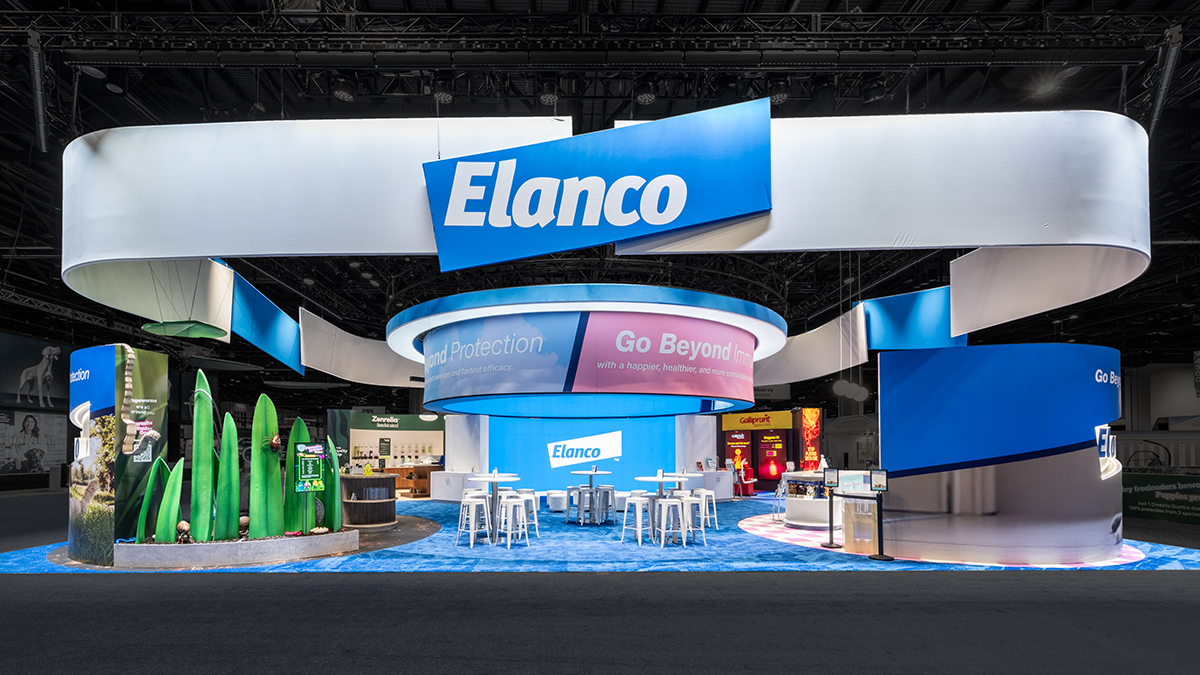
At Elanco’s VMX exhibit, Hamilton designed every touchpoint to support meaningful engagement. That intention produced measurable impact in the form of an average dwell time of 14 minutes and a repeat-visitor rate of 4.2. Each of those numbers reflects the deliberate insight-backed aspects of the creative design.
 A = Achievable
Ambitious goals inspire innovation, but without realism, they can create frustration instead of progress. Achievable goals stretch a team’s capabilities while staying grounded in data, resources, and prior performance.
At Hamilton, this balance starts with benchmarking. Teams analyze engagement data, lead quality, and historical trends from past activations to set expectations that are both challenging and attainable.
The Rehab Industries Annual Conference is a perfect example. The objective wasn’t to compete with large-scale corporate shows but to elevate a company event into a moment of unity and pride. Hamilton set achievable goals around alignment and employee experience, producing a seamlessly run two-day experience that hosted over 900 attendees, received exceptional feedback, and became a cultural milestone for the organization. The success wasn’t measured in spectacle. It was measured in satisfaction, participation, and flawless execution.
By focusing ambition in data and experience, Hamilton ensures that every creative leap lands where it should: in measurable, repeatable success.
R = Relevant
Relevance ensures that every exhibit objective supports broader brand and business priorities. Without that alignment, even well-executed experiences can feel disconnected from the company’s strategy.
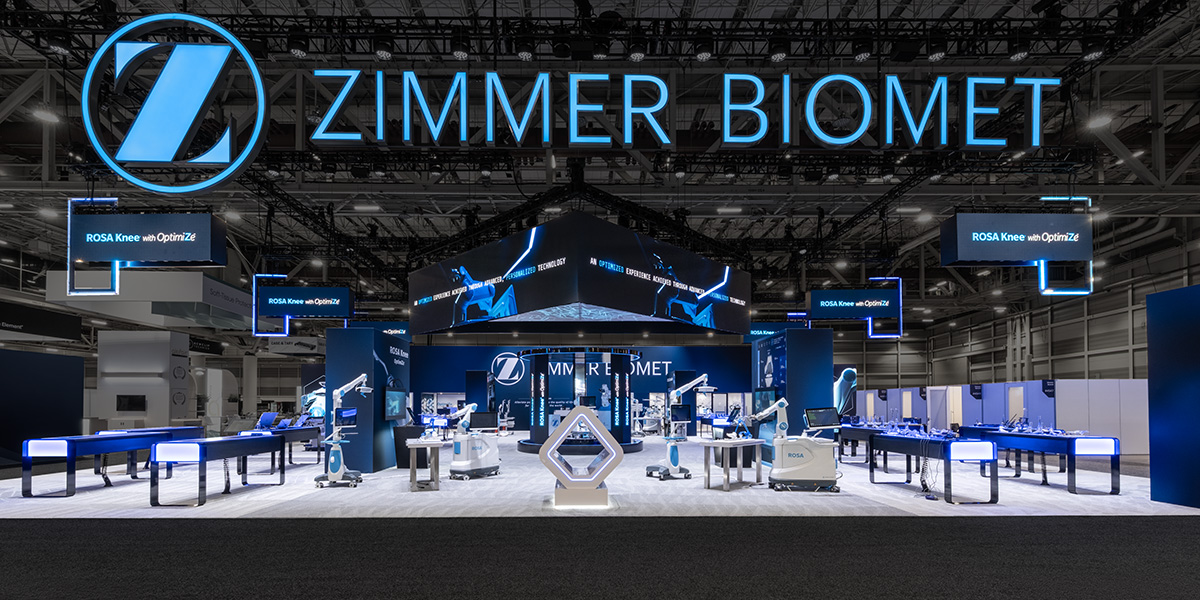
At Zimmer Biomet’s AAOS exhibit, relevance guided every decision. The company’s goal was to reinforce its leadership in MedTech and highlight how its products help people get “back in the game.” Hamilton built an 80’ x 110’ environment around that theme, featuring a MedTech Center surrounded by experience rooms for specific product lines. Each activation tied directly to Zimmer Biomet’s strategic messaging, integrating technology, education, and community engagement, including sponsorship of on-site pickleball courts to connect the brand’s health message with lifestyle.
 Relevance gives experiences staying power. It connects what happens during the event to how audiences perceive the brand long after. When goals serve the bigger picture elements such as reputation, relationships, and results, each activation becomes a meaningful chapter in a much larger story.
T = Time Bound
Time-bound goals create rhythm. They turn a single event into a cycle of preparation, performance, and progression with each stage informed by data and refined by insight. Hamilton approaches timing as a continuous arc spanning the time before, during, and after the experience.
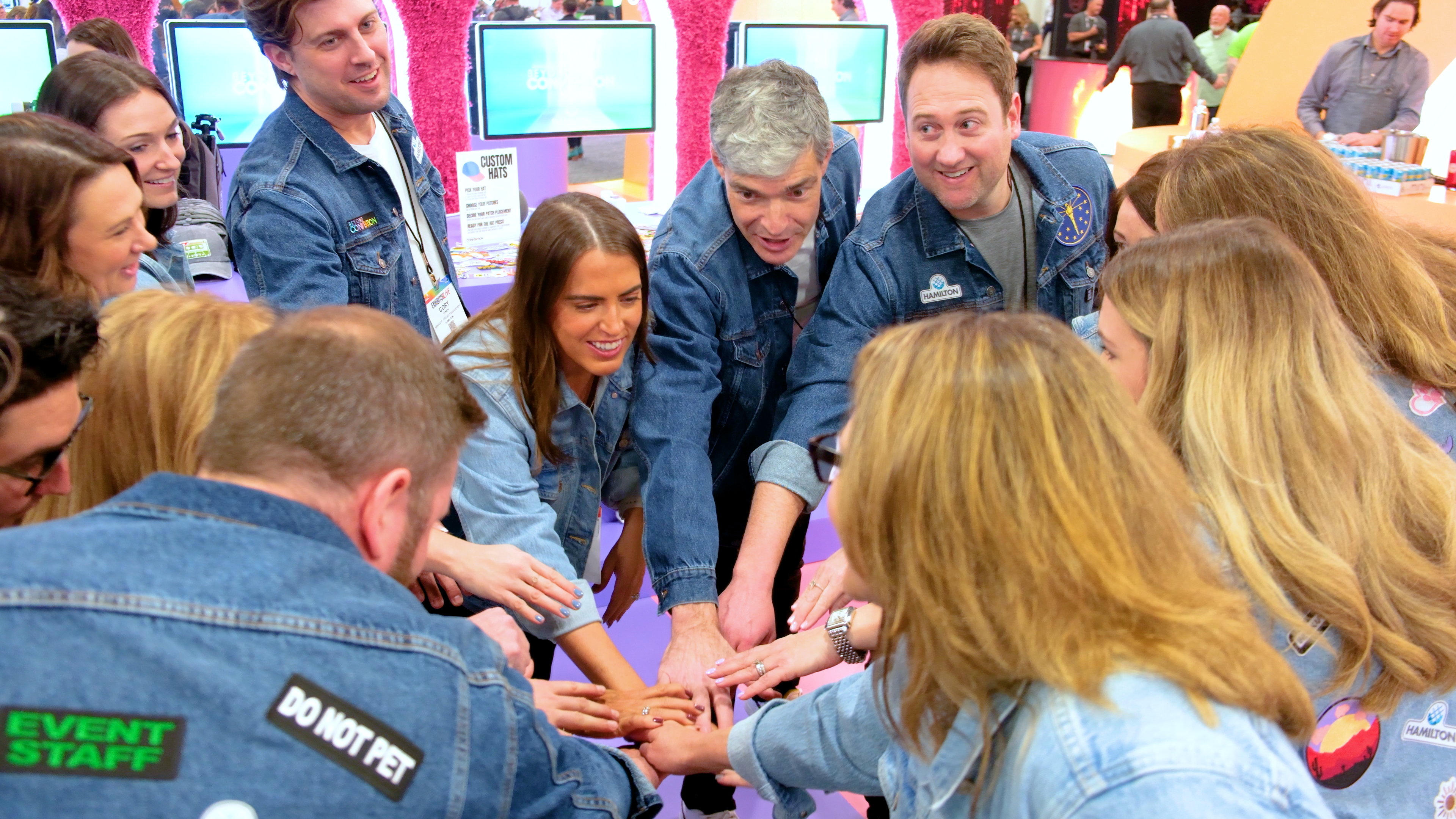
Pre-show: Planning starts months in advance. Campaigns are designed to build awareness and hype before the first attendee steps onto the floor. For example, Hamilton’s “Beyond Convention” pre-show campaign at EXHIBITORLIVE used targeted digital ads, geofencing, and email outreach to drive anticipation and booth traffic.
 In-show: Live performance is tracked in real time. Hamilton’s use of digital tools like inSIGHT® ensures immediate lead capture and visitor engagement analysis so each interaction is converted into actionable data.
Post-show: Follow-up transforms engagement into measurable outcomes. Hamilton’s clients extend their stories through personalized recaps, digital experiences, and ongoing analytics.
Fine-Tune Metrics with Hamilton
Setting SMART goals is only the first step. The real impact comes from refining them over time and using insight to make every exhibit more strategic, efficient, and effective than the last. Hamilton helps brands do exactly that.
Hamilton is a full-service experiential and event marketing agency with a 75-year legacy creating immersive brand experiences for companies worldwide. We design, produce, and execute integrated experiences – exhibits, events, environments, mobile and digital solutions – that drive meaningful connections between brands and their audiences.
To take the next step, contact Hamilton today.
Newsletter Signup
Sign up to receive exclusive updates from Hamilton and resources on event marketing, exhibit strategy, and experiential technology.
Newsletter Signup
Sign up to receive exclusive updates from Hamilton and resources on event marketing, exhibit strategy, and experiential technology.